


Rapid responses matter in Big Bass Crash, but watch a top UK player and you’ll see something else bigbasscrash.eu. The real difference is in their thinking. The game’s emotional appeal is as powerful as its blazing multipliers. The key isn’t just guessing when the multiplier will crash. It’s handling your own reactions to the extreme fluctuations. This article breaks down the cognitive strategies and approaches these professionals use. They cultivate discipline, navigate risk, and execute clear choices when the pressure is on. We’re looking past the standard button presses to the central attitude that turns lucky hits into consistent, strategic play.
For these players, the mental work isn’t over when they finish the game. A systematic post-session review is where lasting progress is made. They spend a few minutes to evaluate their performance against their process goals, not their profit or loss. They pose simple questions. Did I hold to my cash-out points? Did I obey my bankroll rules? Did I spot my tilt and deal with it? They might jot a line or two in a notebook. The point is to distinguish the quality of their decisions from the randomness of the result. A losing session where they adhered to every rule goes down as a win for discipline. A profitable session where they ignored their own strategy gets marked as a loss. This habit strengthens the right mental model. It teaches their self-assessment to focus on controllable actions, building a mindset geared toward refining their process, over and over.
Lidé talk about bankroll management like it’s just math. Pro profíka, it’s psychological armor. Je to místo, kde jejich teorie rizika potkává praxi. Britští hráči we see vymezují bankroll pro seanci as money které jsou plně připraveni to say goodbye to. Oddělují ho od svých životních nákladů, jak v peněžence i v mysli. Opravdová kázeň se projevuje v tvrdohlavém odhodlání k sázení v jednotkách—where every wager je malý, pevný díl z celkové částky—and to strict stop-loss limits. Tito profesionálové nevidí these rules as handcuffs. They see them jako volnost. Zásady automatizují ten nejtěžší úkol: vědět, kdy přestat. During a losing run, mysl volá přitlačit and chase the loss. Jejich příprava spočívá v předchozím odhodlání. Rozhodují o limitech v klidném stavu, so when the heat is on, volba je již hotová. This turns bankroll management from a dry calculation v reálný nácvik in emotional control.
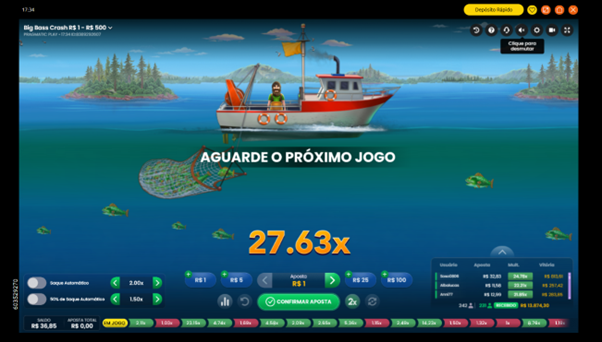
Big Bass Crash is fast and repetitive. Attention can drift, and that’s when mistakes take place. Pros use specific methods to keep their focus sharp. A popular one is interval play. They’ll play a specific number of rounds, say fifty, or stick to a firm twenty-minute block. Then they take a compulsory break, no exceptions. This fights «autopilot mode,» where reactions slow and discipline breaks down. While playing, they practice targeted attention. They focus on the game’s visual climb and rising soundtrack, and intentionally tune out distractions like chat boxes or phone pings. Some even use a soft voice in their head, recounting their actions. «Bet placed. Cash-out set at 7x.» This verbal cue bolsters intentionality. This state of heightened awareness lets them identify their own bad habits in real time, like the urge to let a bet ride too long during a good run, so they can correct it immediately.
No one is exempt from tilt—that wave of frustration that impairs judgement. The professional advantage isn’t in avoiding it, but in having a routine for it. Step one is awareness. They’re attuned to their own physical signals: a more rapid pulse, a clenched jaw, the urge to place a reckless bet. The moment they spot it, the response is instant and unconditional: a full stop. They rise from the screen. They perform a pre-planned cool-down, maybe a walk around the room, drinking a glass of water, or doing a sudoku puzzle. The key is they don’t bargain. «Just one more round» is off the table. Their mental prep includes normalizing tilt. It’s not a failure; it’s a aspect of the process. By taking the shame out of the emotional spike, they avoid the secondary frustration of being frustrated. That lets them regroup and get back to equilibrium much quicker.
Enduring success in Big Bass Crash is a marathon. The experts know that mental resilience is forged brick by brick, through daily application of these guidelines. They tie their gaming mindset to their overall lifestyle choices. Good sleep, decent food, and some physical exercise aren’t just healthy; they’re performance support. They also use deliberate detachment. They have hobbies and friends that have nothing to do with gaming. This keeps their perspective healthy and stops burnout before it takes hold. This holistic view guarantees they have the mental stamina for those high-focus sessions. They see each game not as a standalone drama, but as a single point on a long chart of self-mastery. That long view lessens the blow of a sudden crash and tempers the thrill of a big win. This perspective is the ultimate, and most robust, mental buffer. It redefines the game from a rollercoaster of tense moments into a sustainable practice of disciplined choices.
The strategic advantage in Big Bass Crash, as shown by top UK players, is won in the mind. It’s developed through deliberate routines, a stubborn adherence to personal rules, and a systematic way of managing emotions. By focusing on what they can control—the pre-session ritual, the bankroll discipline, the focused play, the honest review—players can move through the game’s inherent chaos with clarity and grit. This mindset transforms the game. It shifts play from reactive betting to proactive strategy. The main adversary isn’t the random number generator. It’s your own built-in biases and knee-jerk impulses. Embracing this framework is the deepest, most effective preparation a player can ever do.
Big Bass Crash is a title of managed risk to raw risk. The multiplier rises, the pressure mounts, and the max win sings a siren song. UK pros approach this as a simple bet of the wheel. They see a sequence of thought-out steps. They treat each round as its own isolated event. The last crash doesn’t affect the next one, a concept called outcome independence. This mindset kills the dangerous idea of chasing losses or believing a crash is «due.» Their preparation starts with a clear, hard reality: the game is random. Once they accept this, short-term swings lose their emotional sting. They launch a game already okay with the thought of taking a loss. This seems counterintuitive, but it gives them space. It enables focus. While amateurs waste focus on frustration or excitement, pros focus that energy into their own risk management. For them, uncertainty becomes a field to analyze, not an enemy to confront.
A core part of this philosophy is creating a sharp distinction between what you control and cannot control. Pros keep two internal lists. One list holds the things they manage: their wager amount, when they click cash-out, how long they play, their emotional state. The other list has just one item: the specific instant the multiplier crashes. They direct their focus entirely on the first list. This cuts down on anxiety and the steady toll of decision fatigue. Many work on this through focused mental exercises, imagining the crash as a unpredictable occurrence, like a coin flip. The goal is to act with a calm, strategic decision, not a sudden rush. This doesn’t mean being cold. It’s about developing a shock absorber between the event and your own mental equilibrium. When the crash strikes, you want a tactical response, not an explosion of feelings.
The cognitive work commences well before the first bet. UK pros handle a session like a musician treats a gig. They require a practice to get in the zone. A steady pre-session ritual functions as that entry point. It transitions the brain from ordinary clutter into a condition of focused intent. For some players, this means a brief period of quiet breathing to steady the thoughts and heighten attention. Others may open a straightforward text file with their fundamental guidelines—bankroll boundaries, loss limits, cash-out points. The routine’s real job is to create a break. It builds a buffer between the desire to bet and the act of betting. In that pause, they lock in their objectives. These are virtually always about method, not outcomes. A good goal is «I will cash out at 5x every time.» A poor goal is «I must win £50 today.» That mental anchor becomes a safety net later when the play gets choppy, a fixed point to refer to.

Bei rechtlichen Fragen zählt vor allem die Einordnung nach Land und Lizenzmodell. Im Umfeld von DrückGlück sollte man nicht pauschal von weltweiter Freigabe sprechen, sondern sauber prüfen, wo virtuelle Automatenspiele, Poker oder Online Casino Angebote tatsächlich erlaubt sind. In Übersichten weitere informationen finden https://serato.com/forum/discussion/2078690#new Leser meist schneller, welche Regeln für Registrierung, Zahlungsverkehr und Spielerschutz gelten und warum derselbe Anbieter je nach Markt andere Bereiche zeigt. So bleibt der Überblick seriös statt zu grob.
Meine Einzahlung bei Gates of Olympus war am angenehmsten, wenn die Seite auf dem Handy nicht überladen wirkte. In einer web-arena https://www.bol-chat.de/forum/viewtopic.php?t=47727 mit klarer Kasse sehe ich sofort Betrag, Methode und mögliche Limits. Genau das gibt mir Ruhe, weil ich nicht zwischen Menüs springen muss und schon vor dem Bestätigen merke, ob der Ablauf sauber erklärt oder unnötig hektisch gebaut ist.
Im Vergleich zu Alternativen in Deutschland wirkt Horus Casino nur dann überzeugend, wenn Auswahl und Abläufe mithalten. Erst neben anderen Marken wird sichtbar, wo die Plattform punktet und wo Unterschiede spürbar bleiben. Wer die sichere website https://horus-casino.hub.biz/ im direkten Vergleich öffnet, achtet meist auf Bonuslogik, Zahlarten, mobile Qualität und die Tiefe bei Slots oder Live Spielen.
Beim Thema sichere Online Casinos in Deutschland zählt bei KingMaker Casino vor allem die prüfbare Struktur. Leser können weitere details erkunden https://www.tapatalk.com/groups/thedealerslounge/viewtopic.php?p=46696#p46696 wenn sie auf Schutzfunktionen, klare Zahlungswege, Support, verständliche Regeln und verantwortungsbezogene Hinweise achten. So wird KingMaker Casino eher an Transparenz als an großen Versprechen gemessen.
Boni bei Nine Casino lassen sich nur fair bewerten, wenn Aktivierung, Ausschlüsse und Fristen vollständig genannt werden. Wer diese informationen erkunden https://www.flisvosmarina.com/nine-de-top-slots/ möchte, sollte erfahren, ob Freispiele, Einzahlungsboni oder Turniere automatisch gelten oder separat bestätigt werden müssen. Ein sauberer Überblick benennt außerdem, welche Spiele für Umsatzbedingungen zählen und welche nicht.